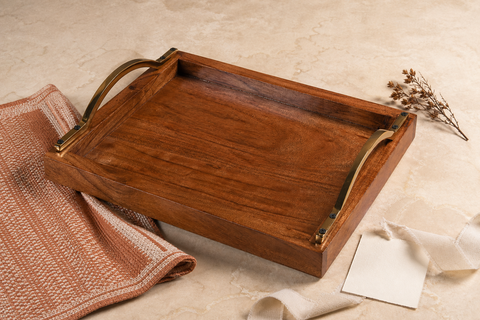
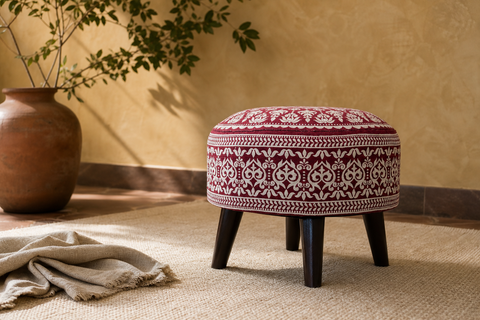
Most damage to wooden furniture does not begin with age. It begins with a wet glass left overnight, a harsh cleaner used once, or a table parked where afternoon sun reaches the same patch every day. That is good news: caring for handcrafted mango wood and sheesham furniture is less about buying a cabinet of specialist products and more about preventing a few repeatable mistakes.
We prefer a conservative rule: do less, but do it promptly. Remove dust, blot spills, keep heat and standing water away, and ask what finish is on the piece before applying anything meant to “feed” or revive the wood. A beautiful grain does not need a weekly ritual. It needs sensible use.
The finish decides the cleaner, not the species name
“Mango wood” and “sheesham” identify the timber, not the complete surface. A natural-looking top may still have a protective finish; a darker surface may be stained; a food-contact piece may be treated differently from a living-room table. Two pieces made from the same species can therefore respond differently to the same polish or cleaner.
This is where much online care advice becomes too confident. It recommends oiling every few months without first asking whether the existing finish is designed to accept oil. An incompatible product can leave a sticky film, alter sheen, collect dust or make a future repair harder. We would rather see a slightly dry-looking table than one repeatedly coated with an unknown product.
Start with the care instructions supplied for the exact piece. If they are missing, use a clean, soft, dry cloth. For a mark that dry dusting will not lift, use a cloth barely dampened with plain water, work on a small area and dry it immediately. If more cleaning is genuinely needed, contact the maker before introducing soap, oil, wax or commercial polish. Always test any approved method in an inconspicuous place first.
That caution matters on products such as our 22-inch natural mango wood side table, where the wooden top is the working surface and the catalog identifies the colour as natural but does not specify a care treatment. “Natural” is an appearance, not permission to improvise a finish.
Mango wood forgives daily life, not standing water
Mango wood is a hardwood, and we use solid mango wood in furniture ranging from side tables to tuffet frames. But “hardwood” is a botanical category, not a promise that a surface cannot stain, scratch or change colour. The practical care question is not whether mango wood is strong. It is what repeatedly touches the finished surface.
Use coasters under cold drinks and mats under objects that may trap moisture. A planter deserves both a watertight saucer and occasional inspection beneath it; a saucer can overflow or sweat without being noticed. Wipe a spill by blotting rather than spreading it across the grain, then dry the area with a separate cloth. Do not leave a damp cleaning cloth on the tabletop while answering the door or finishing another room.
Keep very hot serving vessels off the wood unless the product instructions explicitly say otherwise. A trivet is cheaper and less conspicuous than a heat mark. The same logic applies to fragrance diffusers, oil lamps and cosmetic bottles: the risk is not only water. Oils, colourants and solvents can mark a finish before the wood beneath is involved.
For regular upkeep, dust with a soft cloth and lift objects rather than sweeping grit around them. Fine particles under a vase or tray can behave like an abrasive when the object is dragged. On a compact piece such as the 17-inch-high natural mango wood side table, our strongest recommendation is to keep the routine equally compact: one coaster, one dry cloth and immediate attention to spills.
Sheesham is denser, but its joints and woven surfaces still set the rules
Sheesham, commonly used for furniture in India, is generally denser and harder than mango wood. That difference can matter to weight, feel and resistance to everyday knocks. It does not make sheesham immune to moisture, direct sun or unsuitable chemicals. A harder timber under a damaged finish is still a damaged piece of furniture.
Our catalog’s sheesham example is not a broad dining top. The grey hand-caned sheesham chowki is 11 inches high and 12 inches square, with a woven upper surface and a wooden frame. That construction changes the care priorities. Dust can collect where the weave meets the frame, and a wet-cleaning habit that seems harmless on exposed wood may be wrong for the woven material.
Use a soft brush or a vacuum on low suction with a suitable brush attachment to remove loose dust from crevices, without pulling at the weave. Do not saturate the seat or scrub it with the wood-cleaning cloth. For any stain on the woven portion, ask for material-specific guidance rather than assuming a remedy intended for timber will also suit fibre. Check periodically for looseness, lifted strands or movement at the joints, and stop using the piece if its structure feels unstable.
This is the useful distinction between mango wood and sheesham care: the species can inform expectations, but construction decides the routine. An exposed mango tabletop asks for coasters and fast spill response. A sheesham chowki with a woven seat asks for dry crevice cleaning and attention to tension and joints. Treating both as generic “wooden furniture” misses the part most likely to need care.
Sun, air-conditioning and monsoon rooms reward steady placement
Solid wood responds to its environment. We do not need invented humidity thresholds to make a practical recommendation: avoid abrupt, repeated extremes. Do not place a piece where it is alternately blasted by an air-conditioner and heated by direct sun, or immediately beside a radiator or other strong heat source. Keep some space between furniture and a wall that is visibly damp.
Direct sunlight can change the appearance of wood and finishes unevenly. Curtains, blinds and thoughtful placement are better tools than a bottle promising to reverse fading. If objects live permanently on a tabletop, move them occasionally so the exposed areas do not age in sharply different outlines. Do this gently—lift, do not drag.
During the monsoon, inspect the room as well as the furniture. A leak, damp wall, wet balcony threshold or water collecting beneath a planter is a building problem before it is a polishing problem. Increase ordinary ventilation where appropriate and safe, and dry accidental moisture promptly. Avoid wrapping furniture tightly in plastic for long storage; trapped moisture and poor airflow are not a preservation strategy.
Our contrarian view is that seasonal oiling is often a distraction. Placement, coasters and a dry cloth are unglamorous, but they address the causes of most preventable surface trouble. A treatment schedule copied from another climate, another finish or another timber can create work without creating longevity.
Repair early, and do not erase the evidence of use
Not every change is damage. Small variations in grain and colour belong to solid wood, and gentle wear can make a handcrafted piece feel settled rather than neglected. The aim is not to keep furniture looking vacuum-sealed. It is to prevent a minor problem from becoming structural or difficult to repair.
Act early when you see a widening split, persistent white or dark moisture mark, lifting finish, wobble, loose joint, rust beginning on a metal base, or a woven seat losing tension. Photograph the whole piece and a close detail in natural light, note what happened, and contact the seller or a qualified furniture repair professional. Avoid sanding, staining or flooding the area with oil while seeking advice; each can obscure the original problem and limit repair options.
For mixed-material furniture, clean each material separately. Protect the wooden top while wiping a metal frame, and protect upholstery or weaving while cleaning wood. Tighten only user-serviceable hardware identified in the product instructions. A wooden joint is not improved by driving in an extra screw because a generic video suggested it.
Preeti and Jainav founded Greetwood in 2023 after designing furniture for their own home. The care principle we keep returning to is the same one that makes a room workable: observe the actual object before choosing the intervention. Species matters. Finish matters more. Construction matters most.
A five-minute routine beats a shelf of polish
- Dust exposed wood with a clean, soft, dry cloth.
- Lift tabletop objects, check beneath them and return them gently.
- Blot spills at once and dry the surface; never leave standing water.
- Use coasters, trivets and planter saucers, then inspect under them.
- Keep furniture away from persistent damp, strong heat and harsh direct sun.
- Ask about the finish before using oil, wax, soap or commercial polish.
- Check joints, hardware and woven areas, and repair looseness early.
Good care should disappear into ordinary life. The coaster is already there; the cloth is within reach; the spill does not wait until morning. Mango wood and sheesham do not need to be treated as fragile, but neither should be asked to survive neglect disguised as character. The best-maintained furniture is not the shiniest. It is the furniture still being used, steadily and confidently, years after the novelty has worn off.